


Understanding UK Financial Sanctions Compliance and Guidance

Understanding UK Financial Sanctions: Compliance and Guidance
In the realm of international finance and business operations, compliance with financial sanctions is crucial for maintaining the integrity and lawfulness of activities within the United Kingdom. The UK financial sanctions framework is established to ensure that the nation’s financial system is not used to support terrorism, criminal activities, or other entities deemed a threat to national security. As businesses engage in transactions and partnerships globally, understanding the UK financial sanctions guidance becomes increasingly important. For a comprehensive overview, visit UK financial sanctions guidance https://www.gippslandlakesescapes.com.au/pgs/?uk-financial-sanctions-compliance-and-enforcement-overview.html.
What are Financial Sanctions?
Financial sanctions are restrictive measures imposed by governments or international organizations to influence the behavior of states or specific groups. These sanctions can take many forms, including asset freezes, trade restrictions, and limitations on financial services. In the UK, The Office of Financial Sanctions Implementation (OFSI), which is a part of HM Treasury, is responsible for the enforcement of these sanctions.
Legal Framework and Regulatory Bodies
The legal framework governing financial sanctions in the UK includes several key pieces of legislation, including the Sanctions and Anti-Money Laundering Act 2018 (SAMLA). This act provides the government with the authority to impose sanctions in relation to various circumstances, from national security to the prevention of the proliferation of weapons of mass destruction.
In addition to OFSI, other key agencies involved in the enforcement of financial sanctions include:

- HM Revenue and Customs (HMRC): Responsible for ensuring compliance with trade laws and regulations.
- Financial Conduct Authority (FCA): Oversees financial service firms and ensures they comply with financial regulations, including sanctions.
- Serious Fraud Office (SFO): Investigates and prosecutes serious or complex frauds, bribery, and corruption that may involve sanctions violations.
Types of Sanctions
The UK financial sanctions regime can categorize sanctions into several distinct groups:
- Targeted Sanctions: These sanctions specifically target individuals, groups, undertakings, or entities. They often involve asset freezing measures and restrictions on financial services.
- Trade Restrictions: Restrictions can be imposed on specific goods and services traded with sanctioned countries or entities.
- Comprehensive Sanctions: These are broad sanctions imposed on entire countries, affecting various sectors and areas of trade.
Compliance Obligations for Businesses
It is essential for businesses operating within or with connections to the UK to understand their compliance obligations under the financial sanctions regime. Here’s a closer look at some key obligations:
1. Screening Procedures
Businesses must implement thorough screening procedures to identify and mitigate risks associated with prohibited transactions involving sanctioned individuals or entities. This screening should extend to customers, suppliers, and business partners.
2. Reporting Obligations
Any knowledge or suspicion of a breach of financial sanctions must be reported to OFSI. This includes any transactions that may involve sanctioned persons or entities, even if the business has not yet proceeded with any involvement.
3. Training and Awareness
Organizational awareness and employee training are critical. Companies should ensure that their staff is trained to recognize potential sanction risks and understand the procedures for compliance.
Penalties for Non-Compliance
Failure to comply with UK financia
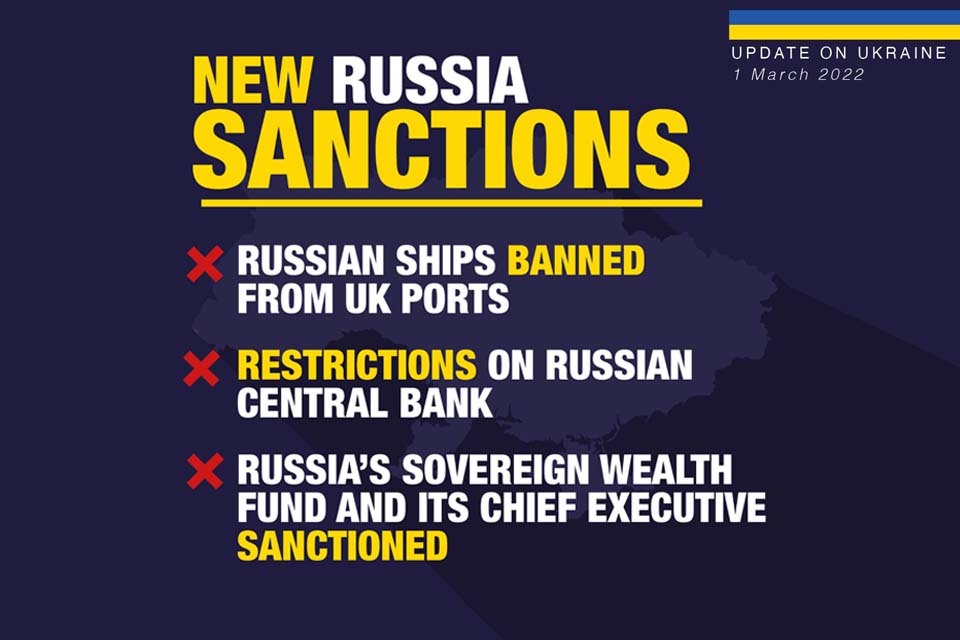
l sanctions can result in severe penalties, including hefty fines and, in some cases, criminal prosecution. The maximum penalty for companies found in violation can reach up to £1 million or 10% of their annual turnover, whichever is higher.
Individuals can also face personal liability and criminal charges, making it imperative for businesses to take compliance seriously. Regular audits and compliance checks can help in mitigating risk.
Conclusion
The UK financial sanctions landscape is complex and constantly evolving in response to geopolitical and economic changes. Businesses must stay informed about the current sanctions in place and ensure that they have robust compliance programs. By understanding the nuances of financial sanctions, organizations can not only protect themselves from potential penalties but also contribute to the broader effort of maintaining international security and order.
In summary, adherence to UK financial sanctions is not merely a legal requirement but a crucial aspect of responsible business conduct in today’s global market.

Sorry, the comment form is closed at this time.